

Landscape design can change your outdoor space into a gorgeous oasis, but the thought of upkeeping it often feels overwhelming. For busy homeowners or those simply looking to enjoy their garden with less effort, low-maintenance landscaping offers an perfect solution. By picking the best plants, designs, and features, you can create a beautiful landscape that needs minimal upkeep, allowing you to spend more time relaxing and less time working in the yard.
In this article, we will explore various aspects of low-maintenance landscaping, ranging from the pros of hiring a professional service to DIY tips for creating an easy-care garden. Whether you want to enhance your property’s value or create a vibrant outdoor space that draws pollinators, we’ll guide you through the essentials of efficient landscaping. Get ready to discover how straightforward choices can result in a lovely and enjoyable garden that complements your lifestyle without demanding constant attention.
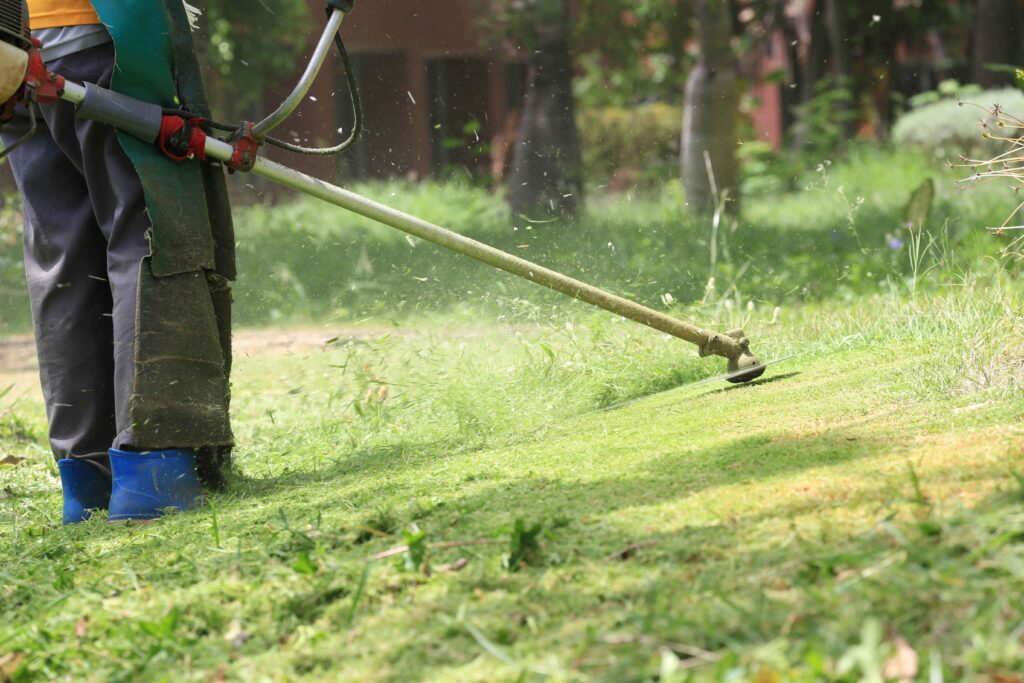
The Importance of Investing in Expert Landscaping
Investing in professional landscaping will enhance your outdoor space, making it into a beautiful and functional area. If you own a home or a commercial property, the ideal landscaping can boost front appeal, attract customers, and foster a welcoming atmosphere for guests. Expert landscapers bring expertise in design and vegetation selection, ensuring that your landscape remains both visually appealing and suitable for your regional climate and soil conditions.
Engaging a landscaping service also conserves you time and effort. Maintaining a garden takes expertise and dedication, and many homeowners may not have the time to learn the ins and outs of landscaping. Professionals have the experience to take care of everything from lawn care and seasonal maintenance to the installation of detailed designs. This enables you to relax in your outdoor space without constant upkeep.
Additionally, the monetary benefits of expert landscaping can be substantial. A well-maintained landscape can increase property value substantially, sometimes by as much as 15 percent. This return on investment can be especially appealing for homeowners and business owners alike, making professional landscaping more than a luxury but a practical financial decision as well. Through the proper service, you can ensure that your landscape not only meets your needs but also stands the test of time.
Low-Maintenance Outdoor Techniques
Designing a simple-care landscape starts with thoughtful planning and layout. Choosing indigenous plants can greatly reduce the quantity of effort and required for upkeep. Native plants are adapted to the local climate, soil, and pests, indicating they typically require less watering, fertilizing, and pesticides. Including perennials instead of annuals also is advantageous, as perennials return year after year without having to replant, ensuring sustained beauty with less effort.
Another effective strategy is introducing hardscaping components. Elements such as terraces, paths, and garden fencing made from granite, brick, or wood can dramatically reduce lawn area and the necessity of plant upkeep. Hardscaping not only provides practical outdoor living zones but also develops a aesthetic environment that requires less upkeep. Additionally, applying mulch around plants can help hold moisture in the soil, suppress weeds, and lessen the need for frequent landscaping tasks.
In conclusion, consider planning a garden that concentrates on water-wise and low-water plants. Water-wise gardening techniques involve choosing plants that do well in arid environments, thus reducing the necessity of irrigation. By grouping plants with the same water needs in proximity and using efficient watering systems like drip irrigation, maintaining a thriving garden turns much easier. These approaches make gardening enjoyable without added stress, allowing homeowners to enjoy their gardens with minimum exertion.
Eco-friendly Landscaping Practices
Sustainable gardening focuses on establishing a harmony between aesthetic appeal and ecological responsibility. here are the findings is choosing indigenous plants that thrive in your area without the necessity for excessive watering, nutrients, or chemicals. Native plants are suited to the local weather and soil conditions, rendering them more resilient and less maintenance-intensive. Integrating these plants into your landscape not only bolsters local ecosystems but also reduces water consumption, thereby encouraging a more vibrant environment.
Another important aspect of eco-friendly gardening is implementing water-efficient practices, such as xeriscaping, which focuses on drought-tolerant plants and effective irrigation methods. By creating a garden that requires little water, property owners can reduce their utility bills and conserve precious resources. Drip irrigation systems, rainwater collection systems, and mulch applications are practical solutions to collect and use rainwater, keeping your garden moist while reducing waste.
Ultimately, prioritizing eco-friendly materials and methods in landscape design can help lower your environmental impact. Opting for try here for patios and paths allows rainwater to filter into the ground, reducing runoff and avoiding soil erosion. Additionally, the use of repurposed wood or upcycled materials for features like barriers or planters enhances the eco-friendliness of your design. By incorporating these practices, you can create a stunning garden that improves your outdoor space and promotes a healthier planet.